For All Your Sutherland Shire, St George & Illawarra 24hr Emergency Plumbing Needs
24 hr Emergency Plumber
Always Available
24 HOURS / 7 DAYS

Plumbing Tips

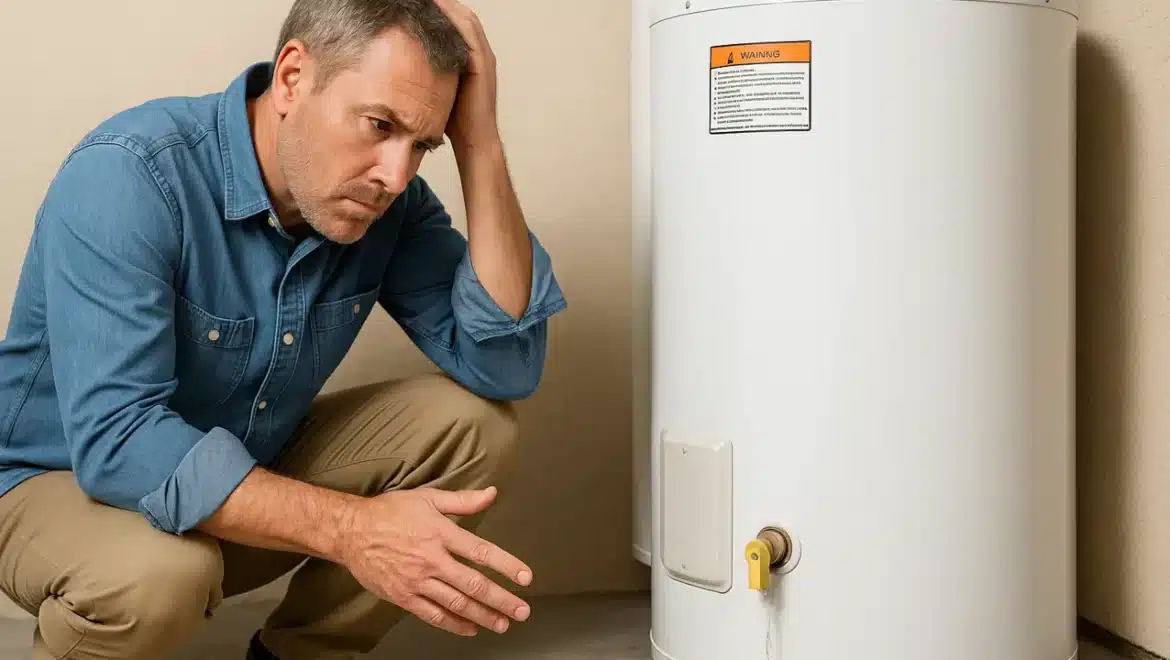
A concerned man crouching next to a leaking hot water heater in a utility room, inspecting the valve for signs of damage or wear.
Plumbing Tips

7 Signs Your Hot Water Heater Needs Repair as the Aussie Winter Sets In

There’s no worse time for your hot water to fail than in the middle of an Aussie winter. Whether it’s that first icy shower of the morning or the struggle to get your dishes clean with lukewarm water, a failing hot water heater disrupts your day, and your comfort.

Your hot water system is one of the hardest-working appliances in your home, and during winter, it’s under even more pressure. That means small problems can quickly become big, expensive ones if left unchecked. But most hot water issues give off warning signs before they completely break down. Catching these early can save you thousands in repairs or replacements.Below, we explore 7 key signs that your hot water heater needs repair, and what to do if yours is on its way out.

1. Your Water Temperature Is Inconsistent or Just Cold

If your water temperature fluctuates from warm to scalding to icy cold, especially within the same shower, it’s often a sign your heater isn’t functioning properly. This issue may stem from:

  • A failing thermostat (for both electric and gas systems)
  • Sediment build-up inside the tank
  • A deteriorating heating element
  • Faults with the pilot light in gas hot water systems

Cold water is more than just an annoyance. It could be your system’s way of saying it’s struggling to meet demand. You don’t need to suffer through a cold winter shower, hot water heater repair is often straightforward and more affordable than replacement, if caught early.

2. Unusual Noises Coming from the Tank

Your hot water system shouldn’t sound like a kettle boiling or a thunderstorm in the laundry. If you hear banging, popping, crackling, or rumbling noises, it’s likely a result of:

  • Hard water sediment accumulating at the base of your tank
  • The burner working overtime to heat water
  • Overheating and bubbling beneath the sediment layer

These noises reduce efficiency and over time can damage the tank lining, making it unsafe and potentially leading to leaks. A professional flush may solve it, but if the system is older, it might be a sign it’s time to consider hot water heater replacement.

3. Discoloured or Rusty Hot Water

Brown or reddish hot water usually means corrosion—either inside the tank or in the pipes leading to your fixtures. It could be caused by:

  • A corroded anode rod (the rod inside your heater that attracts minerals and rust)
  • Rusting tank walls in ageing systems
  • Galvanised plumbing pipes starting to break down

This isn’t just a cosmetic issue, it can stain laundry, damage appliances, and affect water safety. Depending on the cause, a plumber may recommend replacing the anode rod, performing a system flush, or if corrosion is widespread, a full hot water system installation.

4. Water Around the Base of the Tank

Water near your system is never a good sign. While it could be something minor like a loose valve or drain line, it might also indicate:

  • Internal tank failure
  • A cracked storage tank
  • A leaking temperature & pressure relief valve (TPR valve)

Any visible water pooling needs urgent investigation. Leaks not only cause water damage but also pose electrical and structural risks. If the tank itself is cracked, repairing isn’t an option, you’ll need to replace the unit completely.

5. Reduced Water Pressure in the Hot Taps Only

Are your cold taps running fine, but your hot taps have a weak trickle? That’s often a symptom of:

  • Scale or sediment build-up in hot water pipes
  • Partial blockages in older pipework
  • A failing valve or internal system fault

In gas hot water systems, mineral deposits can also collect in the heat exchange, reducing flow and efficiency. Our plumbers use diagnostic tools to isolate the cause, offering repairs when possible, or upgrading your system if it’s beyond recovery.

6. Your System Is More Than 8–12 Years Old

Hot water systems have a limited lifespan:

  • Electric systems last about 8–10 years
  • Gas hot water systems generally last 10–12 years
  • Instant/tankless heaters can go up to 15 years with regular servicing

If your system is nearing or past its expected lifespan, even small issues can point to larger problems. You may notice:

  • Higher running costs
  • Lukewarm or slow-heating water
  • More frequent breakdowns

Rather than spending more money on patch-up jobs, a new hot water system installation can improve efficiency, reduce your bills, and ensure reliability for years to come.

7. Rising Utility Bills with No Clear Cause

Have your gas or electricity bills spiked lately? Hot water makes up roughly 25–30% of the average Australian household energy bill, so when your system is under performing, it directly affects your bottom line.

Causes of energy waste include:

  • Sediment reducing heat transfer
  • A faulty thermostat causing overheating
  • A constantly leaking relief valve
  • A unit that’s too small or too old for your family’s needs

If your system is constantly working overtime, it’s time for a professional assessment. In many cases, a simple repair can restore efficiency, but for older or under-capacity systems, upgrading to a modern, energy-efficient model is often the better long-term choice.

Repair or Replace: How to Decide

Here’s a general rule of thumb:

Hot Water Heater Repair is Suitable When:

  • The issue is minor (e.g. faulty thermostat, valve leak)
  • The system is under 8 years old
  • The tank is intact with no rust or cracks
  • The overall performance is still satisfactory

Hot Water Heater Replacement is Necessary When:

  • The tank is leaking or rusting
  • Repairs are becoming more frequent or costly
  • The system is over 10 years old and inefficient
  • Energy consumption is consistently high
  • Capacity no longer meets your household’s needs

Why Choose SE Plumbing for Hot Water System Services

We know how stressful it is to be without hot water—especially in the middle of winter. That’s why SE Plumbing offers:

  • 24/7 emergency gas hot water system repair
  • Affordable hot water heater replacement
  • New hot water system installation (gas, electric, and instant)
  • Expert guidance on choosing the right system for your household
  • Quality workmanship and trusted local service

Whether it’s a quick repair or a full upgrade, our licensed and insured plumbers will give you honest advice and long-lasting results.

Final Word: Don’t Wait Until It’s Too Late

Most hot water systems don’t fail without warning. If your unit is making noise, leaking, or no longer delivering hot water like it used to, it’s time to act.

Book your inspection today and let SE Plumbing keep your showers warm, your bills low, and your household running smoothly, through this winter and beyond.
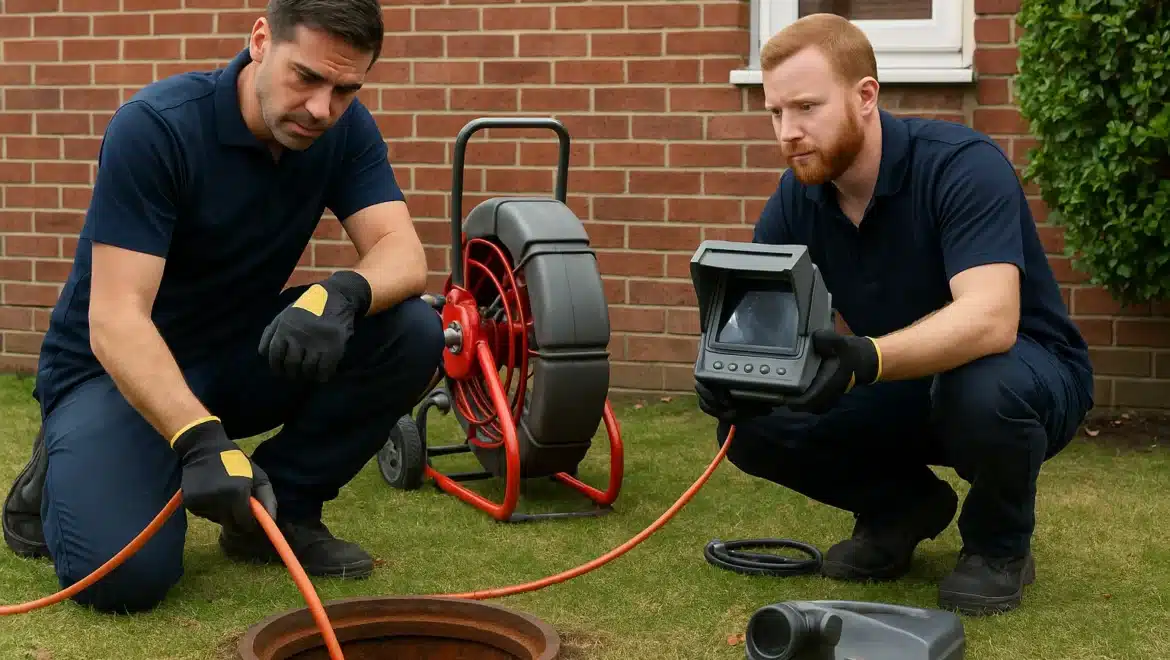

Two professional plumbers outdoors clearing a blocked sewer; one guides a hose into the access point while the other inspects a live camera feed near a brick house.
Plumbing Tips

How Do You Unblock the Blocked Sewer?

A blocked sewer is one of the most serious and disruptive plumbing problems a homeowner can face. Unlike a regular drain blockage that affects only one fixture, a sewer clog can impact your entire propertycausing wastewater to reverse flow into sinks, toilets, and showers throughout your home. The smell, the mess, and the risk to your health make it an urgent issue that can’t be ignored. In this guide, SE Plumbing explains how to unblock a sewer, what causes the blockage in the first place, and when to call in a professional plumber in Sutherland Shire.

What Causes a Blocked Sewer?

Blocked sewers typically occur due to one or more of the following issues:

  • The buildup of toilet paper or hygiene products in the main sewer pipe
  • Tree roots growing into cracked or ageing pipes
  • Grease, fat, and food waste entering the sewer from kitchen drains
  • Foreign objects accidentally flushed or washed into the system
  • Collapsed or broken pipes due to soil movement or heavy loads above ground

For more details, explore our Blocked Drains service to understand how these problems start.

Signs You Have a Blocked Sewer

Sewer blockages usually don’t happen overnight. Here are the most common signs you’re dealing with a sewer line issue:

  • Multiple fixtures (toilets, sinks, showers) blocked at the same time
  • Water backing up into the lowest drain (e.g. floor waste or bathtub)
  • Gurgling noises after flushing or draining
  • Foul sewage smells coming from drains or the yard
  • Overflowing outdoor sewer access or inspection point

If you notice these symptoms, you may also be dealing with Broken or Damaged Pipes.

Step-by-Step: How to Unblock a Sewer Line

1. Check the Outdoor Inspection Point

Locate your property’s sewer access point, usually a small round cap or grate in the yard.

  • Remove the cap to check if it’s overflowing
  • If water is sitting in the pipe, you likely have a mainline blockage
  • If dry, the issue may be isolated to a single drain

2. Use a Plunger on the Toilet or Floor Drain

A plunger can sometimes break up partial clogs in the internal pipes.

  • Seal all overflow outlets in nearby sinks
  • Create a firm seal with the plunger over the affected fixture
  • Plunge forcefully for 20–30 seconds and monitor water flow

3. Run a Drain Snake

If you have access to a sewer auger or flexible drain snake, you can try clearing the blockage manually.

  • Feed the snake through the outdoor access point or toilet
  • Twist gently to catch or break up the clog
  • Rinse with water to check flow

This method may work on soft clogs, but tree roots or broken pipes require a professional approach. Learn about our Emergency Plumbing services for urgent help.

4. Try a High-Pressure Water Hose

For external drains with partial blockages, a garden hose with a pressure nozzle may be effective.

  • Insert the hose down the access point
  • Use water pressure to push the clog towards the main sewer
  • Monitor the flow for signs of improvement

If the water overflows instead, stop immediately and call our Blocked Drain specialists.

Why DIY Doesn’t Always Work on Sewers

Sewer lines are much larger and deeper than household drains, and they often require specialised tools to inspect and repair.

  • You can’t see the cause of the blockage without a CCTV drain camera
  • Tree roots need to be cut out with a rooter or hydro jetter
  • Damaged or collapsed pipes must be repaired or relined
  • Sewage cleanup requires proper handling and sanitation

If your sewer is overflowing, call SE Plumbing immediately via our Contact page or call: 0414 651 351.

Professional Sewer Unblocking: What We Do

At SE Plumbing, we use advanced drain technology to identify and resolve sewer blockages quickly and safely. Our process includes:

  • CCTV camera inspection to identify tree roots, collapsed pipes, or fatbergs
  • High-pressure hydro jetting to clear roots and stubborn sludge
  • Excavation or pipe relining if the blockage is caused by pipe damage
  • Full system flush and reporting to ensure the issue is resolved long-term

We’ve been clearing blocked sewers across Sutherland Shire for over 20 years—see why locals rely on us for emergency drain services.

How to Prevent Future Sewer Blockages

  • Don’t flush wipes, sanitary products or cotton buds—even if labelled “flushable”
  • Dispose of oils and grease in the bin, not the sink
  • Install drain strainers to catch food scraps
  • Have your drains inspected annually, especially if your home has old clay or earthenware pipes

Prevention is key. Our Leak Detection and Prevention team can help monitor sewer health year-round.

Trusted Sewer Blockage Plumber in Sutherland Shire – Fast, Reliable & Local Help

Blocked sewers are a plumbing emergency you don’t want to ignore. They can damage your home, harm your health, and cost thousands if unresolved. While there are a few at-home methods that may work for partial blockages, most sewer problems require professional tools and experience. 

Two professional plumbers outdoors clearing a blocked sewer; one guides a hose into the access point while the other inspects a live camera feed near a brick house.At South East Plumbing, we’re equipped to handle sewer issues of all sizes, fast, cleanly, and with long-term results. Call 0414 651 351 or book an inspection online to get expert help from your local plumber in Sutherland Shire.

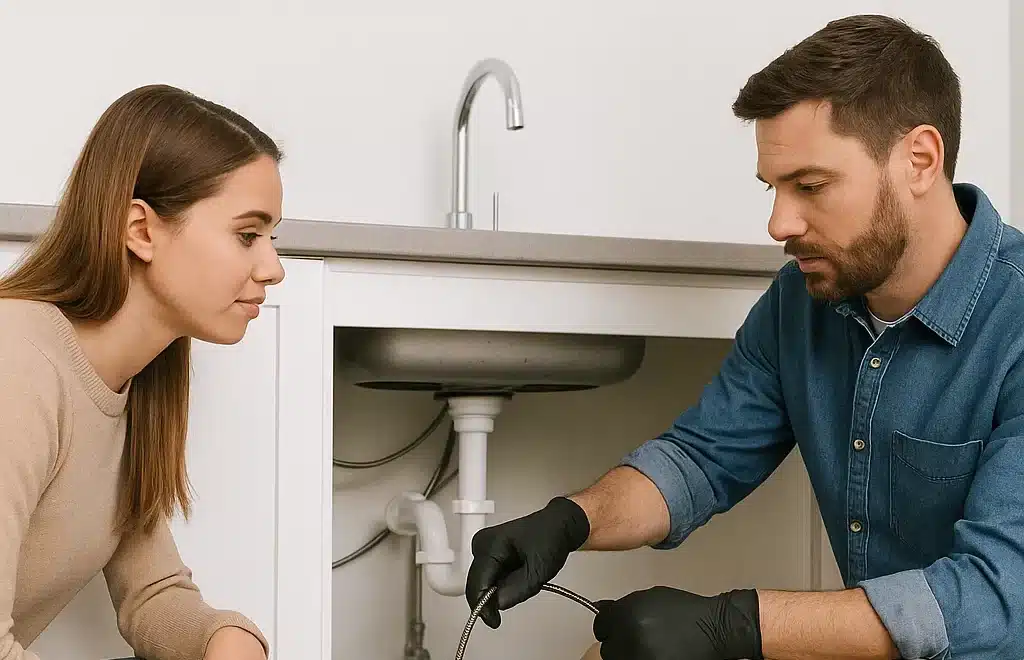
Plumber using a plunger under a kitchen sink while a concerned woman watches, illustrating a hands-on approach to clearing a blocked drain at home.
Plumbing Tips

10 Ways You Can Clear a Blocked Drain

Blocked drains are a common plumbing issue in households across Sydney, and if left untreated, they can lead to bad smells, slow drainage, flooding, and even long-term pipe damage. While some blockages require professional plumbing support, many minor clogs can be resolved at home with the right tools and techniques. In this guide, South East Plumbing Engadine shares 10 tried-and-tested ways you can clear a blocked drain using safe, simple and affordable methods.

1. Boiling Water Flush

The first and easiest solution for any slow-draining sink or basin is boiling water. It works best for minor clogs caused by soap scum, grease or conditioner buildup.

  • Boil a kettle and carefully pour it directly down the affected drain
  • Wait a few minutes between each pour to allow the water to break down debris
  • Repeat two or three times, then test flow with warm tap water

This method is effective for metal pipes but avoid using it on PVC where extreme heat could cause warping. For recurring sink issues, see our Leaking Taps and Toilets services.

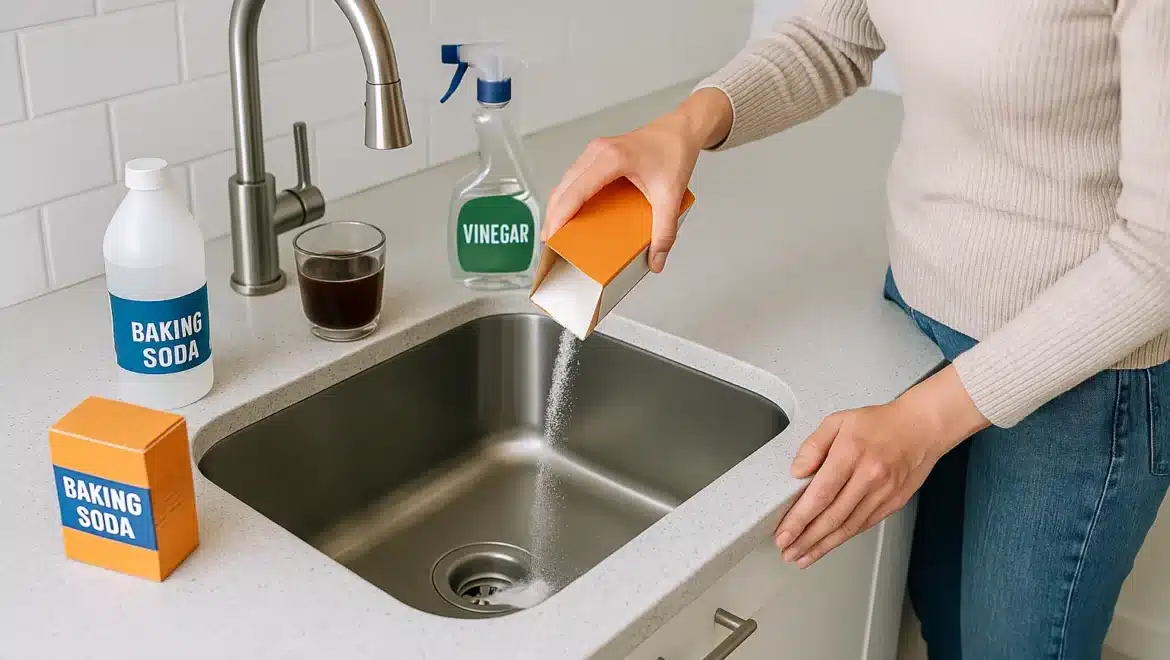
2. Bicarb Soda and Vinegar

This natural solution is perfect for kitchen sinks, bathroom drains, and laundry tubs. It not only helps break down build-up but also neutralises bad odours.

  • Pour half a cup of bicarbonate soda into the drain
  • Add one cup of white vinegar
  • Cover the drain and leave it to fizz for 15 minutes
  • Rinse with boiling or hot water

This eco-friendly method is popular among Australian homeowners for routine drain cleaning and maintenance.

3. Plunge the Drain

A plunger is one of the most useful tools for loosening clogs caused by hair, food, or soap residue.

  • For sinks, fill with water until the plunger cup is fully submerged
  • Create a tight seal over the drain and plunge with strong, rhythmic motions
  • For toilets, use a flange plunger to create proper suction
  • Test the water flow after plunging for 20–30 seconds

For stubborn toilet blockages, see our Emergency Plumbing solutions.

4. Use a Wire Coat Hanger

For minor clogs near the surface, a straightened wire hanger works well in shower or basin drains.

  • Unwind the hanger and make a small hook at one end
  • Carefully feed it into the drain and rotate to catch hair or gunk
  • Pull it out and dispose of debris before rinsing with hot water

If hair buildup is a recurring problem in your bathroom, learn more about our leaking taps and plumbing inspection services.

5. Apply Dish Soap and Hot Water

Great for greasy clogs in kitchen drains, especially if caused by oils or leftover cooking residue.

  • Pour a generous amount of dish soap into the drain
  • Let it sit for a few minutes to break down the grease
  • Follow with hot water to flush away residue

Grease and fat buildup over time can signal pipe damage. Consider our Broken or Damaged Pipes service, if the issue persists.

6. Clean the U-Bend or Trap

If your kitchen or bathroom sink is completely blocked, the trap under the basin may be the issue.

  • Place a bucket underneath the U-bend
  • Unscrew the trap and remove any gunk inside
  • Rinse thoroughly before reattaching and testing for leaks

For older homes across Sutherland Shire, U-bend cleaning is often a short-term fix. Book a drain inspection.

7. Use a Wet/Dry Vacuum

If you have access to a shop vac, this tool can be highly effective for sucking out blockages.

  • Set the vacuum to liquid mode
  • Create a tight seal around the drain opening
  • Run the vacuum for 15–30 seconds to draw out the blockage

For hard-to-reach clogs or unknown causes, our Leak Detection and Prevention service can identify the issue without damage.

8. Salt and Baking Soda Mix

A simple, chemical-free way to dislodge small build-ups in bathroom and laundry drains.

  • Mix half a cup of table salt with half a cup of bicarb soda
  • Pour into the drain and leave it overnight
  • Flush with boiling water in the morning

This is a great maintenance step for all homes across southern Sydney suburbs like Engadine, Miranda and Cronulla.

9. Drain Auger or Hand Snake

This flexible tool is available at most hardware stores and is ideal for clearing deeper clogs.

  • Insert the auger into the drain and twist to grab or break up the clog
  • Carefully retract it, then flush the drain with water

For extensive tree root damage, contact our Blocked Drains specialists for a hydro-jet or CCTV inspection.

10. Preventative Maintenance

Prevention is just as important as removal. Regular care is one of the best ways to avoid serious blockages.

  • Install hair catchers in bathroom drains
  • Use strainers in kitchen sinks
  • Flush drains monthly with baking soda and vinegar
  • Avoid disposing of grease, oil or coffee grounds in the sink

Looking for a scheduled plumbing maintenance plan? Contact SE Plumbing to discuss ongoing drain care.

When to Call SE Plumbing

Some blockages are simply too severe or too deep for household methods. Call SE Plumbing if:

  • Multiple fixtures are affected at once
  • You hear gurgling or notice sewage smells
  • The blockage returns within days of clearing
  • You suspect pipe damage, tree roots, or flooding risk

Our Emergency Plumbing service is available 24/7 to homes throughout Sutherland Shire and southern Sydney.

Why Locals Trust SE Plumbing

SE Plumbing is trusted by homeowners across Engadine, Cronulla, Sylvania, and beyond for blocked drain solutions that last. With more than 20 years of experience, we provide quick diagnostics and permanent fixes using the latest equipment.

  • Fully licensed and insured plumbers
  • Honest pricing and fast response
  • Local knowledge of Sydney’s ageing pipe systems
  • Tools like CCTV drain cameras and hydro jetters to clear any blockage

Call 0414 651 351 or book online now for expert help today.

Blocked Drain Solutions Sutherland Shire – Call SE Plumbing Today

Clearing a blocked drain at home is often easier than it seems. With these 10 methods, most minor clogs can be resolved quickly using safe, household ingredients. But when home solutions aren’t enough, SE Plumbing is ready to help with same-day service and reliable results. Don’t wait—get your drains flowing properly again with help from your local team in Sutherland Shire.

DIY drain cleaning with household items in Sydney home kitchen
Plumbing Tips

9 Tips for Clearing Blocked Drains Using Household Items

Blocked drains are a common issue in homes across Sydney and the Sutherland Shire. While calling a plumber is essential for serious or recurring blockages, many minor clogs can be fixed with everyday household items. If you’ve got a slow-draining sink, a smelly bathroom drain, or water pooling in the shower, these simple DIY tips can help you get things moving again, without needing harsh chemicals or specialist tools. Here are nine proven ways to clear a blocked drain using items you probably already have at home.

1. Pour Boiling Water Down the Drain

Boiling water is one of the easiest and most effective methods for minor clogs caused by grease, soap scum or conditioner. It’s particularly helpful in kitchen sinks and bathroom basins.

  • Boil a full kettle of water
  • Carefully pour it down the drain in two or three stages, waiting 10 seconds between each pour
  • Rinse with hot tap water to check flow
  • This method works best when the blockage is in the early stages. Avoid using boiling water on PVC pipes.

2. Use Bicarb Soda and Vinegar

This natural combination causes a fizzing reaction that helps dislodge soft clogs and remove odours. It’s a great solution for bathroom drains or sinks with slow drainage.

  • Pour half a cup of bicarbonate of soda (baking soda) into the drain
  • Follow with one cup of white vinegar
  • Cover the drain and leave it for 15 minutes
  • Rinse with hot water
  • This is one of the most effective household methods used by Australian homeowners for eco-friendly drain cleaning.

3. Try Salt and Hot Water

If you don’t have vinegar, salt is a useful alternative for breaking down grime.

  • Pour half a cup of table salt into the drain
  • Follow with one litre of hot (not boiling) water
  • Let it sit for 10–15 minutes, then flush with hot tap water
  • This helps loosen minor blockages and can be repeated weekly as a preventive measure.

4. Use a Toilet Plunger

A toilet or sink plunger can be very effective for clearing clogs caused by hair, food particles or soap scum.

  • Fill the basin or sink with enough water to cover the plunger
  • Place the plunger over the drain and press down to create suction
  • Plunge up and down rapidly for 15–30 seconds
  • Check to see if the water begins to drain
  • Use a flange plunger for toilets and a cup plunger for sinks.

5. Straighten a Wire Coat Hanger

A wire hanger can be turned into a makeshift drain snake for bathroom sinks and showers.

  • Straighten the hanger and create a small hook at one end
  • Carefully insert it into the drain and rotate to catch hair or gunk
  • Pull it out and dispose of debris
  • Flush with hot water to clear the rest
  • This trick works particularly well in older homes in Sydney with metal grates or slow shower drainage.

6. Remove and Clean the U-Bend

If your kitchen sink is blocked, the trap (U-bend) may be holding food residue or grease.

  • Place a bucket underneath the U-bend
  • Unscrew the connections by hand or with a wrench
  • Remove the trap and clean it thoroughly
  • Reattach and test for leaks
  • This is a reliable method for stubborn blockages near the sink outlet.

7. Use Dish Soap and Hot Water

Ideal for greasy blockages, especially in the kitchen sink.

  • Squeeze a generous amount of dishwashing liquid into the drain
  • Let it sit for five minutes
  • Pour down boiling water to cut through the grease
  • Repeat if the flow doesn’t improve right away.

8. Wet and Dry Vacuum

If you have a wet/dry shop vac, it can be used to suck out or blow through a clog.

  • Set to wet mode
  • Seal the hose over the drain using an old rag or plunger flange
  • Run the vacuum on high for 20–30 seconds
  • This method can dislodge stubborn clogs deeper in the pipe.

9. Regular Maintenance with Natural Cleaners

Prevention is just as important as removal. Regularly cleaning your drains with natural ingredients will help prevent future blockages.

  • Once a month, pour half a cup of baking soda and vinegar down each drain
  • Flush with hot water
  • Install strainers on all bathroom and kitchen drains to catch debris

For a full inspection or recurring problems, contact our Blocked Drains experts servicing Sutherland Shire and surrounding Sydney suburbs.

What Not to Use

Avoid chemical drain cleaners, especially in older homes. These can:

  • Damage PVC or galvanised steel pipes
  • Kill helpful bacteria in septic systems
  • Create fumes that are unsafe in enclosed spaces
  • If your DIY efforts haven’t worked after one or two attempts, don’t continue trying. You could make the blockage worse.

When to Call a Professional

Some blockages are too stubborn or too deep for home methods. Contact SE Plumbing if:

  • You have tried more than one DIY method without success
  • The water is backing up in multiple drains
  • The clog returns shortly after clearing
  • You hear gurgling or smell sewage from your drains

Our Emergency Plumbing service is available 24/7 across Sutherland Shire.

Why Choose SE Plumbing

With over 20 years of experience, SE Plumbing has built a reputation for fast, reliable and affordable blocked drain solutions in Sutherland Shire. We combine expert knowledge with the latest drain inspection and clearing tools, including:

  • CCTV drain cameras for accurate diagnosis
  • Hydro jetting to clear stubborn clogs without damage
  • Licensed, friendly local plumbers
  • No hidden costs, just honest pricing

Need help now? Call us on 0414 651 351 or book online.

Call SE Plumbing for Emergency Drain Help in Sutherland Shire

Clearing a blocked drain doesn’t always require a plumber, sometimes, a bit of boiling water or bicarb soda is all it takes. These nine DIY tips are cost-effective, eco-friendly, and practical for any Sydney household. But when your efforts aren’t enough, SE Plumbing is here to help. Our trusted team in Sutherland Shire is just a phone call away.

A digital graphic showing a partially blocked drainpipe with debris, alongside the title 'Blocked Drains: Everything You Need to Know' on an orange background.
Plumbing Tips

Everything You Need to Know About Blocked Drains That Your Plumber Never Told You

Blocked drains are among the most common plumbing problems in homes across Sutherland Shire. But most plumbers don’t tell you the full story. While they might clear the immediate blockage, they often skip over what’s really going on beneath the surface, or how to stop it from coming back. In this guide, SE Plumbing shares the important truths about blocked drains that your plumber might never have mentioned, and why knowing these things can save you thousands in repairs.

1. Most Drain Blockages Build Up Over Time

  • Drains don’t usually block overnight.
  • Hair, grease, soap, and other materials slowly build up over weeks or months.
  • By the time you notice slow drainage or bad smells, the pipe may already be partially blocked.
  • Ignoring these signs only allows the problem to grow until it causes a full blockage or overflow.

Tip: Schedule regular preventative checks with SE Plumbing’s Blocked Drains service to catch issues early.

2. “Flushable” Products are a Leading Cause of Sewer Blockages

  • Despite the label, most flushable wipes do not disintegrate like toilet paper.
  • Wipes, sanitary pads, liners, and cotton buds clump together and clog pipes.
  • They can combine with grease to form solid obstructions known as fatbergs.
  • These blockages often require high-pressure water jetting or excavation.

Tip: Only flush human waste and toilet paper. Everything else belongs in the bin.

3. Drain Cleaners Can Make Things Worse

  • Supermarket drain cleaners can burn through pipe linings and seals, especially in older homes.
  • They often don’t fully remove the blockage—just push it further down the pipe.
  • Chemical use may void plumbing warranties or damage septic systems.

Tip: Avoid DIY chemicals and get expert help. Our Emergency Plumbing service uses safe, professional equipment.

4. Tree Roots are a Hidden Threat

  • Even small trees can send roots metres underground in search of moisture.
  • Roots enter cracked or loose joints in older clay or earthenware pipes.
  • Once inside, they grow rapidly and trap debris like wipes and hair.
  • Root blockages can recur unless properly removed and sealed.

Tip: We use mechanical root cutters and CCTV inspections to remove roots and assess pipe integrity. See our Broken or Damaged Pipes service.

5. Stormwater Blockages Can Affect Indoor Plumbing

  • Heavy rainfall can overwhelm storm water pits and surface drains.
  • Water may back up into bathrooms, laundries or floor drains—especially in older homes.
  • This is often misdiagnosed as a sewer blockage.

Tip: Keep outdoor drains clear of leaves and debris. SE Plumbing offers Leak Detection and Prevention to pinpoint the issue accurately.

6. Drain Cameras aren’t Just for Emergencies

  • A CCTV drain inspection lets us see exactly what’s happening inside your pipes.
  • We can identify root entry, cracked joints, collapsed pipes or foreign objects.
  • A quick inspection can prevent a small issue from turning into a major excavation.

Tip: Ask for a CCTV report during your next drain service, it’s affordable and worth it.

7. Regular Maintenance Costs Less Than Emergency Repairs

  • Most blocked drains can be prevented with basic, scheduled cleaning.
  • An annual inspection costs far less than flood damage or pipe replacement.
  • Preventative care extends the life of your plumbing system.

Tip: SE Plumbing offers maintenance plans tailored to homes in Sutherland Shire. Contact us today.

8. Some Plumbers Only Provide a Temporary Fix

  • Many plumbers just clear the blockage without investigating the cause.
  • The problem may return days or weeks later if the root cause isn’t addressed.
  • A good plumber provides a solution, not just a clean pipe.

Tip: SE Plumbing uses cameras, pressure testing, and condition reports to ensure your system is healthy long after we leave.

9. Blocked Drains Can Affect Your Insurance

  • Water damage from blocked drains may not be covered if the insurer deems it preventable.
  • Regular maintenance records can help support a claim.
  • Delayed response or chemical misuse may invalidate coverage.

Tip: Keep receipts and service reports from licensed plumbers like SE Plumbing to strengthen your claim if needed.

10. You Can Prevent Most Blocked Drains with Simple Changes

  • Avoid tipping oil and fat down the kitchen sink
  • Use hair catchers in showers and bathroom basins
  • Don’t flush anything other than toilet paper and waste
  • Schedule annual plumbing checks, especially in older homes

Tip: We offer long-term advice and preventive care with every Blocked Drains service.

Stop the Blockage Cycle, Call SE Plumbing Today

Blocked drains aren’t just a nuisance, they’re a sign that something deeper is going on. The truth is that most blockages are preventable if caught early and treated properly. SE Plumbing doesn’t just clear clogs, we explain the cause, give you options, and help protect your property from future damage. Whether it’s your first blocked drain or a recurring issue, we’re here to help.

Call SE Plumbing on 0414 651 351 or book your blocked drain inspection online and get the full picture—not just a quick fix.

Plumber unclogging a kitchen drain while a woman watches in a modern Sutherland Shire home.
Plumbing Tips

How to Unclog a Blocked Drain at Home in Sutherland Shire, Sydney

Blocked drains are one of the most common plumbing problems faced by homeowners across Sutherland Shire. Whether it’s your kitchen sink, shower, or laundry, a clogged drain can quickly disrupt your routine and, if left unchecked, lead to water damage or costly repairs. The good news? Many minor blockages can be fixed with tools and items you already have at home. In this guide, we’ll show you how to unclog a blocked drain yourself using safe, effective methods, plus how to know when it’s time to call in a professional.

What Causes Blocked Drains in Sydney Homes?

Understanding the likely source of the blockage is the first step to clearing it properly. Some of the most common culprits behind household drain clogs include:

  • Hair and soap scum in bathroom sinks and shower drains
  • Cooking oil, food scraps, and grease in kitchen sinks
  • Excessive toilet paper or hygiene products in toilets
  • Garden debris, dirt, and leaves in outdoor and storm water drains
  • Tree root intrusion in older underground pipework

Not sure what’s causing the blockage? Visit our Blocked Drains service page to learn how we can help diagnose the issue fast.

Step-by-Step Guide: How to Unclog a Drain Using DIY Methods

Depending on where the blockage is, you may be able to fix it with a few simple techniques. Here are several DIY solutions to try, starting with the easiest.

1. Pour Boiling Water Down the Drain

This works best for grease build-up or soap residue.

  • Boil a full kettle of water
  • Slowly pour it down the drain in two or three stages
  • Let it sit for a few minutes
  • Run the hot tap and see if the drainage has improved

2. Use Baking Soda and Vinegar

A natural, eco-friendly way to clear gunk inside your pipes.

  • Pour half a cup of baking soda down the drain
  • Add one cup of vinegar
  • Cover the drain and let it fizz for 10–15 minutes
  • Rinse with hot water
  • Repeat if needed

3. Try a Plunger

Plungers are effective on bathroom sinks, kitchen drains, and toilets.

  • Fill the sink or bowl with enough water to cover the plunger
  • Create a firm seal over the drain
  • Plunge up and down with strong, even pressure for 20 seconds
  • Test the water flow and repeat if necessary

4. Use a Drain Snake or Wire Coat Hanger

For deeper clogs caused by hair or debris.

  • Straighten a wire coat hanger and bend one end into a hook
  • Carefully insert it into the drain
  • Twist and pull to dislodge the blockage
  • Remove the gunk and rinse with hot water

5. Clean the Sink Trap (U-Bend)

If you suspect the blockage is under the sink.

  • Place a bucket under the trap
  • Unscrew the U-bend and remove it
  • Clear out any built-up sludge or food particles
  • Reattach and test the drain for leaks

Still not flowing? Contact our Emergency Plumbing team for urgent blocked drain assistance across Sutherland Shire.

What Not to Do When Unclogging a Drain

Some quick fixes can cause more harm than good. Avoid these common mistakes:

  • Don’t pour bleach or caustic drain chemicals unless specifically designed for your type of plumbing
  • Avoid repeated plunging on fragile or older pipes
  • Don’t continue flushing or running water if the drain remains slow—this could cause overflow
  • Never ignore early warning signs like gurgling sounds, foul smells, or pooling water

When Should You Call a Professional Plumber?

Some blockages are beyond the reach of DIY methods. Contact a licensed plumber if:

  • The blockage returns repeatedly
  • Multiple drains in your home are blocked at once
  • You smell sewage from your drains
  • You hear gurgling when other fixtures are used
  • Water backing up into sinks or tubs

SE Plumbing offers fast, same-day service. Explore our Blocked Drains service page or speak with a licensed local plumber.

Why Sutherland Shire Residents Trust SE Plumbing

At SE Plumbing, we’ve been helping homeowners across Sutherland Shire, including Engadine, Cronulla, and Miranda, for over 20 years. Whether it’s a blocked drain or a burst pipe, we’re committed to providing reliable, affordable, and professional service every time.

Here’s what you can expect:

  • Fully licensed and insured local plumbers
  • Transparent pricing with no hidden fees
  • Non-invasive diagnostics using CCTV drain cameras
  • Powerful hydro-jetting equipment for stubborn clogs
  • 24/7 emergency plumbing is available when you need it most

Call 0414 651 351 or book an inspection online today.

Blocked Drain Plumber Sutherland Shire – Call SE Plumbing Today

Unclogging a drain at home can often be handled quickly using basic tools and supplies. Boiling water, baking soda, a plunger, and a little know-how can go a long way. But if your drain continues to clog, backs up water, or smells like sewage, don’t delay, call a licensed plumber before it turns into a much bigger issue. SE Plumbing is here to help Sutherland Shire residents keep their drains flowing and their homes protected.

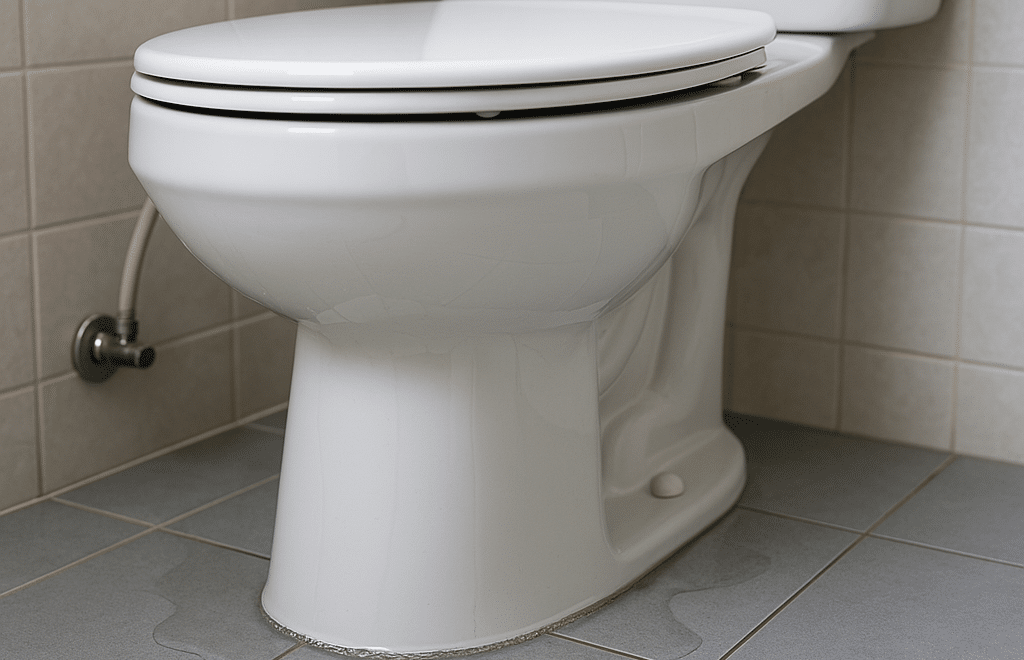
Close-up of a white ceramic toilet leaking water at the base onto a tiled bathroom floor.
Leaking toilet

What’s the Usual Process for Repairing a Leaking Toilet?

A leaking toilet might seem like a small nuisance, but if left unattended, it can lead to higher water bills, water damage, and even mould growth. Whether you’re hearing a constant trickle or noticing water pooling around the base, it’s important to address the issue quickly. In this guide, we’ll walk you through the usual process for fixing a leaking toilet, when to call in a professional, and how South East Plumbing Engadine can help with reliable, efficient plumbing solutions.

Common Causes of a Leaking Toilet

Before jumping into repairs, it’s helpful to know what might be causing the leak. Some of the most common reasons include:

  • Worn-out flapper valve – A faulty rubber flapper is the most common culprit for toilets that run constantly
  • Loose or broken seals – Water leaking at the base may be caused by a broken seal or wax ring
  • Cracked toilet tank or bowl – Hairline cracks can lead to slow leaks that worsen over time
  • Corroded or damaged inlet valve – This affects how water flows into the tank

The Process of Fixing a Leaking Toilet

Here’s the usual step-by-step process a licensed plumber follows to fix a leaking toilet:

1. Inspection and Diagnosis

The plumber will first inspect the toilet thoroughly—checking around the base, behind the tank, and inside the cistern. They’ll identify whether the issue lies with internal parts (like the flapper or valve) or external seals and connections.

2. Isolating the Water Supply

Before any repair work begins, the water supply to the toilet is shut off. This prevents further leakage and allows safe dismantling of parts.

3. Replacing Faulty Components

Depending on the issue, the plumber may:

  • Replace the flapper valve if it’s worn or warped
  • Repair or swap out the inlet valve or flush valve
  • Tighten or replace tank bolts and rubber gaskets
  • Install a new wax ring if water is leaking at the base

4. Resealing and Reassembling

After new parts are installed, the plumber will reseal the connections and reassemble the toilet components. They’ll ensure everything is watertight and aligned properly.

5. Testing for Leaks

Finally, the water supply is turned back on, and the toilet is flushed several times to check for ongoing leaks. A good plumber will also double-check for slow leaks that may not be immediately visible.

When to Call a Professional for Leaking Toilets or Taps

While some minor toilet issues may be DIY-friendly, it’s best to contact a professional if:

  • You can’t identify the source of the leak
  • Water is pooling around the base or leaking from underneath
  • There are signs of mould, odour or water damage
  • You’re unsure how to safely shut off or reconnect plumbing

At South East Plumbing Engadine, we don’t just stop at leaking toilets, we also specialise in fixing leaking taps, blocked drains, burst pipes, and more.

Why Choose South East Plumbing Engadine?

When it comes to fast, affordable, and professional plumbing in Sydney, here’s why locals trust South East Plumbing Engadine:

Licensed and Experienced Plumbers

Our fully licensed team has decades of combined experience fixing everything from leaking toilets to complete bathroom plumbing systems.

Same-Day Service Available

Need help urgently? We offer same-day repairs for leaking taps and toilets across the Sydney metro area.

Transparent Pricing – No Hidden Surprises

We provide upfront quotes with no hidden fees, so you always know what to expect.

We Respect Your Home

Our plumbers arrive on time, clean up after the job, and treat your property with care and respect.

Trusted by Sydney Locals

We’re proud to be the go-to plumbers for thousands of Sydney homeowners, landlords, and businesses.

Fixing Leaking Taps and Toilets – Book with Confidence

If your toilet or taps are leaking, don’t put off repairs, what starts as a slow drip can turn into a major problem. Whether it’s fixing leaking toilets, repairing leaking taps, or a full bathroom inspection, South East Plumbing Engadine is here to help.

Contact South East Plumbing Engadine today for fast, friendly, and expert service.

Need help now? Call us & we’ll get it sorted quickly.

Plumber using thermal imaging and moisture meter to detect hidden wall leak in Sydney home.
Leaking Taps

Peace of Mind, Dry Walls: The Perks of Professional Leak Detection

Water leaks are one of the most common and costly plumbing issues faced by Sydney homeowners. Whether it’s a slow drip behind the wall or a constantly running tap, leaks can waste thousands of litres of water and cause major damage to your property. Unfortunately, many go unnoticed until it’s too late.

Professional leak detection in Sydney is the key to identifying and resolving issues early, saving you from water damage, rising utility bills, and the stress of unexpected repairs. In this guide, we explore the risks of hidden leaks, signs to watch for, the benefits of expert leak detection, how South East Plumbing Engadine locates leaks with zero disruption, and why we’re the trusted choice for leak detection in Sydney homes.

1. The Hidden Costs of Undetected Leaks

What starts as a minor leak can quickly turn into a serious and expensive repair job. Hidden leaks, especially inside walls or under floors, often escape notice for weeks or even months.

Consequences of ignoring hidden leaks include:

  • Structural damage to walls, ceilings and flooring
  • Mould growth and poor indoor air quality
  • Damaged insulation and timber rot
  • Electrical hazards if water reaches power lines
  • Soaring water bills from constant dripping or running
  • Permanent stains, peeling paint or swollen plasterboard

The longer a leak goes undetected, the greater the damage—and the higher the cost of repairs. Early water leak detection can prevent all of the above.

2. How to Tell if You Have a Water Leak

While some leaks are visible, others are completely hidden within your plumbing system. Knowing the signs can help you act quickly.

Common signs of a hidden leak:

  1. Unexplained increase in your water bill
  2. Damp or discoloured patches on ceilings or walls
  3. Musty odours or signs of mould
  4. Bubbling paint or warped floorboards
  5. Reduced water pressure
  6. Sounds of water running when taps are off
  7. Constantly filling toilet cisterns

If you notice any of the above, it’s time to call in the experts. At  South East Plumbing Engadine, we offer precise leak detection in Sydney using advanced tools to pinpoint the source without damaging your home.

3. Why Choose Professional Leak Detection?

Many homeowners attempt to find and fix leaks themselves, but without the right equipment and experience, this often leads to misdiagnosis or additional damage.

Benefits of hiring a professional plumber for leak detection:

  • Accurate location of hidden leaks without wall or floor damage
  • Use of advanced equipment like acoustic sensors and thermal imaging
  • Quicker repairs and lower long-term costs
  • Prevention of secondary issues like mould, rot and structural damage
  • Reduced water bills and improved efficiency

We specialise in water leak detection using the latest technology to find leaks fast, without guesswork.

4. How  South East Plumbing Engadine Detects Leaks Without Damaging Your Home

One of the biggest concerns for homeowners is the fear that leak detection will require cutting into walls, tiles or floors. We prioritise non-invasive detection methods that protect the integrity of your property while delivering pinpoint accuracy.

Our non-invasive leak detection tools include:

  • Thermal Imaging Cameras – Detects temperature variations to identify moisture buildup inside walls or ceilings.
  • Acoustic Listening Devices – Uses advanced sensors to hear the sound of water escaping pipes—even behind concrete or brick.
  • Pressure Testing Equipment – Identifies drops in pressure within your system that indicate the presence of a leak.
  • Moisture Meters – Measures moisture content in materials to confirm the presence and spread of water damage.

Our expert plumbers are trained to use these tools precisely, ensuring minimal disruption while delivering fast, clear results.

5. Leaking Taps and Toilets: More Costly Than You Think

While hidden leaks cause silent damage, visible plumbing issues like leaking taps and toilets can also waste enormous amounts of water if left unchecked.

Impact of leaking taps and toilets:

  • A single dripping tap can waste over 2,000 litres per month
  • Constantly running toilets can waste even more
  • Water damage to surrounding cabinetry or flooring
  • Increased water bills from unnoticed leaks

If you’re dealing with worn washers, faulty flush valves or leaking connections, we can help with quick, professional repairs.

6. Why  South East Plumbing Engadine is Sydney’s Leak Detection Specialist

We’re committed to providing high-quality, non-invasive leak detection services backed by years of experience and a local reputation for reliability.

Why Sydney homeowners choose  South East Plumbing Engadine:

  • Licensed, insured and highly experienced plumbers
  • Same-day service available across the Sydney metro
  • Transparent pricing with no hidden fees
  • State-of-the-art leak detection tools
  • Guaranteed workmanship and long-term solutions
  • Friendly, local service that puts your peace of mind first

Whether it’s leaking taps, leaking toilets or hard-to-find wall leaks, we provide fast and effective repairs to protect your home and your wallet. Contact us today to book an inspection or request a quote.

7. Final Thoughts: Early Leak Detection Means Peace of Mind

Leaks are one of the most preventable sources of property damage—if caught early. From protecting your walls and ceilings to reducing your water bills, expert leak detection in Sydney is a smart investment in your home.

If you suspect a hidden leak or just want peace of mind, South East Plumbing Engadine offers accurate, affordable solutions backed by decades of experience. We’ll locate the source, fix the problem, and help you avoid expensive surprises down the line.

Don’t wait for visible damage—schedule your leak inspection today.

Leaking-toilet
Leaking toilet

Can I Fix a Leaking Toilet Myself?

A leaking toilet is not just an annoyance—it can waste significant amounts of water, increase your utility bills, and even cause damage to your bathroom. The good news is that many common toilet leaks can be fixed without professional help. If you have basic DIY skills and the right tools, fixing leaking toilets can be a straightforward task. However, some leaks may require professional attention. Here’s how to determine whether you can fix a leaking toilet yourself and when to call an expert.

Common Causes of a Leaking Toilet

To decide whether you can handle the repair on your own, it’s essential to understand the common reasons behind leaking toilets:

  1. Faulty Flapper Valve  

The rubber flapper inside the tank controls water flow into the bowl. If it’s worn out or misaligned, water continuously leaks from the tank into the bowl. This not only wastes water but also prevents the toilet from flushing properly.

  1. Loose or Broken Fill Valve 

 A malfunctioning fill valve can cause water to overflow or leak, leading to excessive water usage and potential damage to other toilet components.

  1. Cracked Tank or Bowl 

Visible cracks can result in persistent water leakage. While small cracks may be sealed temporarily, larger cracks often require replacing the entire toilet to prevent water damage to floors and walls.

  1. Worn-Out Wax Seal 

The wax ring at the toilet base can deteriorate over time, leading to water leakage at the base. This can cause foul odours, floor damage, and even mold growth if not addressed promptly.

  1. Loose Bolts or Connections  

The mounting bolts securing the toilet may become loose, causing leaks. If the toilet wobbles or shifts when you sit on it, the bolts may need tightening or replacing to prevent further issues.

  1. High Water Level in Tank 

If the float is set too high, water can continuously spill into the overflow tube, causing leaks. This not only increases water bills but can also put unnecessary strain on the toilet’s flushing mechanism.

  1. Corroded or Worn-Out Gaskets 

Toilets have several gaskets that seal connections between the tank and bowl. Over time, these gaskets can degrade, leading to slow leaks that might go unnoticed until they cause damage.

  1. Clogged Drain Line 

While not a direct cause of leaks, a clogged drain line can cause water to back up, leading to leaks around the base of the toilet. If plunging doesn’t solve the problem, professional drain cleaning may be required.

  1. Condensation on the Toilet Tank 

In humid conditions, condensation can build up on the outside of the toilet tank and drip onto the floor, mimicking a leak. Insulating the tank or using a drip tray can help manage this issue.

How to Detect a Silent Toilet Leak

Sometimes, toilet leaks are not immediately visible. Here’s a simple test:

  • Add a few drops of food colouring to the toilet tank.
  • Wait 10-15 minutes without flushing.
  • If you see the colour appearing in the bowl, your toilet has a silent leak that needs fixing.

How to Fix a Leaking Toilet

If the issue is minor, you can attempt fixing leaking toilets by following these simple steps:

1. Replacing a Faulty Flapper Valve

  • Turn off the water supply to the toilet.
  • Flush to drain the tank.
  • Remove the old flapper and replace it with a new one.
  • Turn the water supply back on and check for leaks.

2. Fixing a Faulty Fill Valve

  • Shut off the water supply.
  • Remove the tank lid and locate the fill valve.
  • Replace the faulty fill valve with a new one.
  • Turn the water supply back on and ensure proper water flow.

3. Adjusting the Float Level

  • Remove the tank lid and check the water level.
  • Adjust the float by turning the screw on the fill valve or bending the metal rod.
  • The water level should be about an inch below the overflow tube.

4. Tightening Loose Bolts

  • Check the base of the toilet and tighten any loose bolts.
  • Ensure the connections between the tank and bowl are secure.

5. Replacing a Worn-Out Wax Seal (Advanced DIY Fix)

  • Turn off the water and disconnect the supply line.
  • Remove the toilet and scrape off the old wax seal.
  • Replace it with a new seal and reposition the toilet.
  • Secure the bolts and reconnect the water supply.

When to Call a Professional

While minor leaks can often be fixed with basic tools, certain situations require expert help:

  • Persistent Leaks – If the toilet continues to leak despite repairs, there may be a deeper plumbing issue.
  • Cracked Tank or Bowl – Visible cracks often require a complete toilet replacement.
  • Sewage Odours or Water Damage – If water is leaking beneath the toilet and causing damage to the flooring, professional intervention is recommended.
  • Multiple Leaks in the Bathroom – If you’re also dealing with leaking taps, it may indicate broader plumbing issues requiring expert assessment.

Preventing Future Toilet Leaks

  • Regularly inspect for signs of leaks, such as water pooling around the base.
  • Avoid using harsh chemicals that can damage toilet components.
  • Check and replace worn-out parts like the flapper and fill valve periodically.
  • If you notice leaks in other fixtures, consider fixing leaking taps to prevent further plumbing issues.
  • Install a high-efficiency toilet to reduce water wastage and improve performance.

Eco-Friendly Benefits of Fixing Toilet Leaks

Fixing a leaking toilet not only saves money but also conserves water. A single leaking toilet can waste up to 200 litres per day, leading to unnecessary water consumption. By promptly addressing leaks, households contribute to water conservation and reduce their environmental impact.

Many common toilet leaks can be resolved with DIY fixes, saving you money and preventing water wastage. However, for complex issues or ongoing leaks, calling a professional is the best course of action. If you’re dealing with leaking taps or leaking toilets, contact South East Plumbing Engadine for expert assistance. Whether it’s fixing leaking taps or repairing a major leak, timely intervention ensures your plumbing system remains in top condition.

Water-Leak-Detection
Water Leak Detection

Signs of a Water Leak in Your Home,“The Importance of Early Water Leak Detection

Water leaks are more than just a nuisance; they can lead to significant structural damage and costly repairs if left unattended. Detecting leaks early is crucial to preventing excessive water bills, property damage, and potential health risks. Whether it’s leaking taps and toilets or hidden underground leaks, identifying and addressing them at the right time can save homeowners and businesses from unnecessary expenses and inconveniences.

Why Detecting Leaks Early is Essential

1. Avoid Expensive Repairs and Property Damage

Leaks can remain undetected for months, seeping into walls, floors, and ceilings. Over time, this can weaken your property’s foundation, leading to structural issues that require expensive repairs. Water-damaged materials like wood, drywall, and insulation can also become breeding grounds for mould and bacteria, further compounding the damage and creating unhealthy living conditions. Professional water leak detection services help locate and resolve these leaks before they become major concerns, preserving the integrity of your home or commercial property.

2. Conserve Water and Reduce Utility Bills

Even a small leak can waste thousands of litres of water each year, leading to a spike in utility bills. Leaking taps and toilets are among the leading culprits of water wastage. A constantly running toilet can waste up to 200 litres of water per day, while a slow dripping tap can add up to hundreds of litres per month. Fixing these leaks promptly can lead to significant savings on your water bills while contributing to water conservation efforts. In a city like Sydney, where water efficiency is crucial, timely leak detection services play a vital role in sustainable resource management.

3. Prevent Mould Growth and Health Hazards

Damp environments caused by persistent leaks create the perfect conditions for mould and mildew. These fungi thrive in moist areas, often forming behind walls, under floors, and inside ceilings, making them difficult to detect. Mould exposure can lead to serious health issues, including respiratory problems, allergies, and even chronic illnesses in severe cases. Additionally, prolonged exposure to damp conditions can weaken building materials, making them more prone to deterioration. By investing in water leak detection, property owners can ensure their living and working spaces remain dry, clean, and safe, reducing the risk of health hazards.

4. Maintain Optimal Water Pressure

A hidden leak in your plumbing system can cause a noticeable drop in water pressure, affecting the efficiency of showers, taps, and appliances. Reduced water pressure can make simple daily activities, such as washing dishes or taking a shower, frustrating and inefficient. It can also indicate larger plumbing problems that, if ignored, could lead to complete pipe failure. Routine leak detection can help identify the source of the issue and restore normal water flow before it disrupts your daily activities.

5. Protect Property Value

Water damage can decrease the resale value of a property and deter potential buyers. Visible signs of leaks, such as stains on ceilings or damp patches on walls, can raise red flags during property inspections. If the issue is left unresolved, it may require costly remediation work before a sale can proceed. Addressing leaks proactively ensures that your home or commercial space remains in excellent condition, safeguarding your investment in the long run. Potential buyers or tenants are more likely to choose a property with a well-maintained plumbing system, free from lingering moisture problems.

Signs That Indicate a Hidden Water Leak

Many leaks are not immediately visible, but some telltale signs indicate an underlying issue:

  • Sudden increase in your water bill
  • Persistent damp spots on walls, ceilings, or floors
  • Musty odours due to mould growth
  • Hissing or dripping sounds when water is not in use
  • Reduced water pressure in taps and showers
  • Unexplained puddles near sinks, toilets, or outdoor areas
  • Peeling paint or wallpaper due to excess moisture
  • Warm spots on the floor, which may indicate a slab leak in hot water pipes

If you notice any of these signs, seeking professional leak detection services in Sydney is the best course of action.

Advanced Leak Detection Methods

Gone are the days of invasive procedures to find leaks. Modern water leak detection services use state-of-the-art technology such as:

  • Acoustic sensors – to detect sound waves produced by leaking pipes
  • Infrared thermal imaging – to identify temperature changes caused by water leaks
  • Pressure testing – to pinpoint hidden plumbing issues
  • Moisture meters – to assess the level of moisture in walls and flooring
  • Tracer gas detection – a highly effective method where non-toxic gas is introduced into the plumbing system to locate leaks quickly
  • Video pipe inspection – using small cameras inserted into pipes to visually inspect for cracks, blockages, and leaks

These advanced techniques ensure minimal disruption while accurately identifying the source of leaks, making them ideal for residential, commercial, and industrial properties.

How to Prevent Water Leaks

Prevention is always better than cure when it comes to water leaks. Here are some proactive steps to minimise the risk:

  • Regularly inspect pipes, faucets, and appliances for signs of leaks
  • Check for cracks or weak spots in exposed plumbing fixtures
  • Monitor water bills for unusual spikes in consumption
  • Install smart water meters that can detect leaks in real time
  • Schedule routine water leak detection inspections with a professional plumber
  • Ensure outdoor irrigation systems are functioning properly to prevent underground leaks

Final Thoughts

Ignoring water leaks can lead to severe consequences, from property damage to increased expenses. Regular water leak detection and timely repairs help prevent these issues, ensuring a safer and more efficient plumbing system. Whether you’re dealing with leaking taps and toilets, underground leaks, or hidden pipe damage, taking a proactive approach will save you from significant financial and structural damage in the long run.

If you suspect a leak in your property, don’t wait for the problem to escalate. For expert water leak detection services in Sydney, visit South East Plumbing Engadine today and take proactive steps to protect your home or business.