For All Your Sutherland Shire, St George & Illawarra 24hr Emergency Plumbing Needs
24 hr Emergency Plumber
Always Available
24 HOURS / 7 DAYS

Leaking toilet

Common Causes and Quick Fixes for Leaking Toilet
Leaking toilet

Why Is My Toilet Leaking? Common Causes and Quick Fixes


A toilet leak usually starts quietly. Maybe you hear a faint hiss every now and then. Maybe the cistern keeps refilling for no reason.  It’s one of those things you don’t pay attention to until suddenly you’re wondering why your water bill went up, or why the floor around the toilet feels a bit damp. It’s the same story with dripping taps. That constant tik…tik…tik can drive you mad, but it’s also literally money dripping away down the drain. The good news? Most of this is fixable. And not every toilet leak needs a full bathroom takeover. Let’s break down what usually goes wrong and how to tell if you can DIY it, or if it’s time to call a plumber.

Signs Your Toilet Is Actually Leaking

Some leaks are obvious, such as water around the base, damp patches, and puddles.
Others are sneaky.

Look out for:

  • The cistern keeps topping up / refilling by itself
  • hissing noise from the tank
  • damp or discoloured flooring
  • water sitting around the base
  • sudden jump in water bill

And here’s a quick little test:

Add a few drops of food colouring into the cistern and leave it for 15 minutes (don’t flush!). If the colour shows up in the bowl, water is leaking through.

The Most Common Reasons Toilets Leak

Toilets are pretty simple machines. A few small parts working together. One tired or worn-out piece and you’ve got a leak.

1) Flapper Worn Out

The flapper is the rubber piece at the bottom of the cistern. If it doesn’t seal properly, water constantly escapes into the bowl.

Quick try: turn off the water, lift the cistern lid, check the flapper. If it looks warped or stiff, replace it. They’re cheap.

2) Faulty Fill Valve

This is what controls how much water goes into the tank. If it’s faulty, water rises too high and spills into the overflow tube.

Quick try: Adjust the float or replace the valve.

3) Loose Tank Bolts

Water between the tank + bowl usually means the bolts (and rubber washers) are no longer sealing properly.

Quick try: gently tighten the bolts, not too hard (porcelain cracks easily).

4) Wax Seal Gone at the Base

If every flush leaves a little puddle at the base, the wax ring underneath is gone.

Reality: This one usually needs a plumber; the toilet needs to come off completely.

5) Cracked Porcelain

Small hairline cracks can create constant, slow leaks.

If the crack is above the water line, epoxy sometimes buys you time.

Below the water line: the toilet is done, time for a replacement.

6) Condensation / Sweating

Sometimes it’s not a leak at all, just humidity + cold tank water.

Try: bathroom fan/tank insulation kit.

Can You Fix a Toilet Leak Yourself?

Sometimes yes. Replacing a flapper? → easy. Adjusting the fill valve? → doable.

Leaks at the base? Cracks? Internal damage?

This is where DIY gets risky because one wrong twist can break a seal or fitting… and then the “small leak” becomes “major panic”.

We handle these all the time, so if you’re unsure, call us in before it becomes flooring damage.

And Those Leaking Taps…

A single tap that drips all day long, that’s thousands of litres wasted a year. Most of the time, it’s worn washers, O-rings or corrosion inside the tap body. If you want to try it yourself, shut off the water, open the handle, and check the washer/O-ring. If it’s worn flat or brittle, replace it. If it still leaks after that? Probably corrosion. That’s a plumber’s job.

How to Stop Leaks from Happening Again

  • Check around taps + toilet base every now and then
  • Replace rubber seals before they totally fail
  • don’t “tighten taps” like you’re turning off a fire hydrant
  • occasionally lift the cistern lid and look inside
  • Watch your home’s water pressure; too high = seals die early 

Small checks → big savings.

Why People in the Shire Call South East Plumbing

Locals around Engadine, Sutherland Shire, St George, Illawarra and Wollongong call us because we keep it simple, offer honest pricing, clear explanations, and work done right the first time.

We’re licensed. We’re insured. And we treat every home like a neighbour’s home. Whether it’s a worn washer or a leaking toilet base, we’ve fixed thousands of them.

Leaking toilets and taps are common, and they’re usually fixable fast if you catch them early. And if you’re unsure what’s causing the leak, don’t guess. A quick inspection now can prevent a bigger repair later.

Call 0414 651 351 or book online,  and we’ll sort it out.
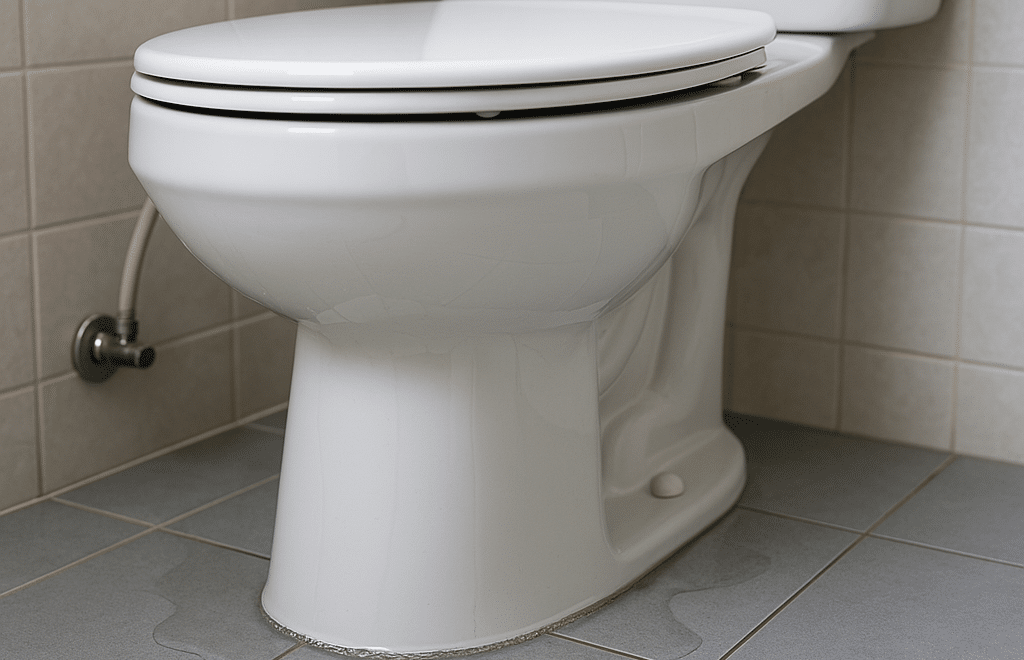
Close-up of a white ceramic toilet leaking water at the base onto a tiled bathroom floor.
Leaking toilet

What’s the Usual Process for Repairing a Leaking Toilet?

A leaking toilet might seem like a small nuisance, but if left unattended, it can lead to higher water bills, water damage, and even mould growth. Whether you’re hearing a constant trickle or noticing water pooling around the base, it’s important to address the issue quickly. In this guide, we’ll walk you through the usual process for fixing a leaking toilet, when to call in a professional, and how South East Plumbing Engadine can help with reliable, efficient plumbing solutions.

Common Causes of a Leaking Toilet

Before jumping into repairs, it’s helpful to know what might be causing the leak. Some of the most common reasons include:

  • Worn-out flapper valve – A faulty rubber flapper is the most common culprit for toilets that run constantly
  • Loose or broken seals – Water leaking at the base may be caused by a broken seal or wax ring
  • Cracked toilet tank or bowl – Hairline cracks can lead to slow leaks that worsen over time
  • Corroded or damaged inlet valve – This affects how water flows into the tank

The Process of Fixing a Leaking Toilet

Here’s the usual step-by-step process a licensed plumber follows to fix a leaking toilet:

1. Inspection and Diagnosis

The plumber will first inspect the toilet thoroughly—checking around the base, behind the tank, and inside the cistern. They’ll identify whether the issue lies with internal parts (like the flapper or valve) or external seals and connections.

2. Isolating the Water Supply

Before any repair work begins, the water supply to the toilet is shut off. This prevents further leakage and allows safe dismantling of parts.

3. Replacing Faulty Components

Depending on the issue, the plumber may:

  • Replace the flapper valve if it’s worn or warped
  • Repair or swap out the inlet valve or flush valve
  • Tighten or replace tank bolts and rubber gaskets
  • Install a new wax ring if water is leaking at the base

4. Resealing and Reassembling

After new parts are installed, the plumber will reseal the connections and reassemble the toilet components. They’ll ensure everything is watertight and aligned properly.

5. Testing for Leaks

Finally, the water supply is turned back on, and the toilet is flushed several times to check for ongoing leaks. A good plumber will also double-check for slow leaks that may not be immediately visible.

When to Call a Professional for Leaking Toilets or Taps

While some minor toilet issues may be DIY-friendly, it’s best to contact a professional if:

  • You can’t identify the source of the leak
  • Water is pooling around the base or leaking from underneath
  • There are signs of mould, odour or water damage
  • You’re unsure how to safely shut off or reconnect plumbing

At South East Plumbing Engadine, we don’t just stop at leaking toilets, we also specialise in fixing leaking taps, blocked drains, burst pipes, and more.

Why Choose South East Plumbing Engadine?

When it comes to fast, affordable, and professional plumbing in Sydney, here’s why locals trust South East Plumbing Engadine:

Licensed and Experienced Plumbers

Our fully licensed team has decades of combined experience fixing everything from leaking toilets to complete bathroom plumbing systems.

Same-Day Service Available

Need help urgently? We offer same-day repairs for leaking taps and toilets across the Sydney metro area.

Transparent Pricing – No Hidden Surprises

We provide upfront quotes with no hidden fees, so you always know what to expect.

We Respect Your Home

Our plumbers arrive on time, clean up after the job, and treat your property with care and respect.

Trusted by Sydney Locals

We’re proud to be the go-to plumbers for thousands of Sydney homeowners, landlords, and businesses.

Fixing Leaking Taps and Toilets – Book with Confidence

If your toilet or taps are leaking, don’t put off repairs, what starts as a slow drip can turn into a major problem. Whether it’s fixing leaking toilets, repairing leaking taps, or a full bathroom inspection, South East Plumbing Engadine is here to help.

Contact South East Plumbing Engadine today for fast, friendly, and expert service.

Need help now? Call us & we’ll get it sorted quickly.

Leaking-toilet
Leaking toilet

Can I Fix a Leaking Toilet Myself?

A leaking toilet is not just an annoyance—it can waste significant amounts of water, increase your utility bills, and even cause damage to your bathroom. The good news is that many common toilet leaks can be fixed without professional help. If you have basic DIY skills and the right tools, fixing leaking toilets can be a straightforward task. However, some leaks may require professional attention. Here’s how to determine whether you can fix a leaking toilet yourself and when to call an expert.

Common Causes of a Leaking Toilet

To decide whether you can handle the repair on your own, it’s essential to understand the common reasons behind leaking toilets:

  1. Faulty Flapper Valve  

The rubber flapper inside the tank controls water flow into the bowl. If it’s worn out or misaligned, water continuously leaks from the tank into the bowl. This not only wastes water but also prevents the toilet from flushing properly.

  1. Loose or Broken Fill Valve 

 A malfunctioning fill valve can cause water to overflow or leak, leading to excessive water usage and potential damage to other toilet components.

  1. Cracked Tank or Bowl 

Visible cracks can result in persistent water leakage. While small cracks may be sealed temporarily, larger cracks often require replacing the entire toilet to prevent water damage to floors and walls.

  1. Worn-Out Wax Seal 

The wax ring at the toilet base can deteriorate over time, leading to water leakage at the base. This can cause foul odours, floor damage, and even mold growth if not addressed promptly.

  1. Loose Bolts or Connections  

The mounting bolts securing the toilet may become loose, causing leaks. If the toilet wobbles or shifts when you sit on it, the bolts may need tightening or replacing to prevent further issues.

  1. High Water Level in Tank 

If the float is set too high, water can continuously spill into the overflow tube, causing leaks. This not only increases water bills but can also put unnecessary strain on the toilet’s flushing mechanism.

  1. Corroded or Worn-Out Gaskets 

Toilets have several gaskets that seal connections between the tank and bowl. Over time, these gaskets can degrade, leading to slow leaks that might go unnoticed until they cause damage.

  1. Clogged Drain Line 

While not a direct cause of leaks, a clogged drain line can cause water to back up, leading to leaks around the base of the toilet. If plunging doesn’t solve the problem, professional drain cleaning may be required.

  1. Condensation on the Toilet Tank 

In humid conditions, condensation can build up on the outside of the toilet tank and drip onto the floor, mimicking a leak. Insulating the tank or using a drip tray can help manage this issue.

How to Detect a Silent Toilet Leak

Sometimes, toilet leaks are not immediately visible. Here’s a simple test:

  • Add a few drops of food colouring to the toilet tank.
  • Wait 10-15 minutes without flushing.
  • If you see the colour appearing in the bowl, your toilet has a silent leak that needs fixing.

How to Fix a Leaking Toilet

If the issue is minor, you can attempt fixing leaking toilets by following these simple steps:

1. Replacing a Faulty Flapper Valve

  • Turn off the water supply to the toilet.
  • Flush to drain the tank.
  • Remove the old flapper and replace it with a new one.
  • Turn the water supply back on and check for leaks.

2. Fixing a Faulty Fill Valve

  • Shut off the water supply.
  • Remove the tank lid and locate the fill valve.
  • Replace the faulty fill valve with a new one.
  • Turn the water supply back on and ensure proper water flow.

3. Adjusting the Float Level

  • Remove the tank lid and check the water level.
  • Adjust the float by turning the screw on the fill valve or bending the metal rod.
  • The water level should be about an inch below the overflow tube.

4. Tightening Loose Bolts

  • Check the base of the toilet and tighten any loose bolts.
  • Ensure the connections between the tank and bowl are secure.

5. Replacing a Worn-Out Wax Seal (Advanced DIY Fix)

  • Turn off the water and disconnect the supply line.
  • Remove the toilet and scrape off the old wax seal.
  • Replace it with a new seal and reposition the toilet.
  • Secure the bolts and reconnect the water supply.

When to Call a Professional

While minor leaks can often be fixed with basic tools, certain situations require expert help:

  • Persistent Leaks – If the toilet continues to leak despite repairs, there may be a deeper plumbing issue.
  • Cracked Tank or Bowl – Visible cracks often require a complete toilet replacement.
  • Sewage Odours or Water Damage – If water is leaking beneath the toilet and causing damage to the flooring, professional intervention is recommended.
  • Multiple Leaks in the Bathroom – If you’re also dealing with leaking taps, it may indicate broader plumbing issues requiring expert assessment.

Preventing Future Toilet Leaks

  • Regularly inspect for signs of leaks, such as water pooling around the base.
  • Avoid using harsh chemicals that can damage toilet components.
  • Check and replace worn-out parts like the flapper and fill valve periodically.
  • If you notice leaks in other fixtures, consider fixing leaking taps to prevent further plumbing issues.
  • Install a high-efficiency toilet to reduce water wastage and improve performance.

Eco-Friendly Benefits of Fixing Toilet Leaks

Fixing a leaking toilet not only saves money but also conserves water. A single leaking toilet can waste up to 200 litres per day, leading to unnecessary water consumption. By promptly addressing leaks, households contribute to water conservation and reduce their environmental impact.

Many common toilet leaks can be resolved with DIY fixes, saving you money and preventing water wastage. However, for complex issues or ongoing leaks, calling a professional is the best course of action. If you’re dealing with leaking taps or leaking toilets, contact South East Plumbing Engadine for expert assistance. Whether it’s fixing leaking taps or repairing a major leak, timely intervention ensures your plumbing system remains in top condition.